Why Do Foundations Crack? (6 Reasons Why)
Foundations crack because of constant pressure. The ground under a house moves when the soil gets wet or dry. Water, weight, and temperature changes also push against the structure. Since concrete is strong, it cannot bend. When pressure builds up, cracks form to relieve it.
This guide explains in detail why your foundation cracks. If you have more questions or need professional foundation crack repair in North Carolina, call Functional Foundations at (252) 648-6476.
Water Build Up Creates Pressure that Weakens Concrete, Leading to Cracks
Foundation cracks when water builds up around the home and pushes against concrete and walls. When too much water collects near the base of a house, it creates pressure on the foundation. Concrete is strong, but constant water pressure slowly weakens it, leading to cracks.
Poor drainage is a common cause of this problem. Clogged gutters, short downspouts, and yard slopes that point toward the house allow water to sit near the foundation walls. Over time, this water soaks in and increases stress on the structure. This can cause foundation movement and visible cracks in basement walls or floors.
Water buildup also washes soil away from under the foundation. When it shifts or erodes, the foundation loses support and begins to settle unevenly. This type of foundation damage often starts small but can grow quickly if drainage issues are not fixed.
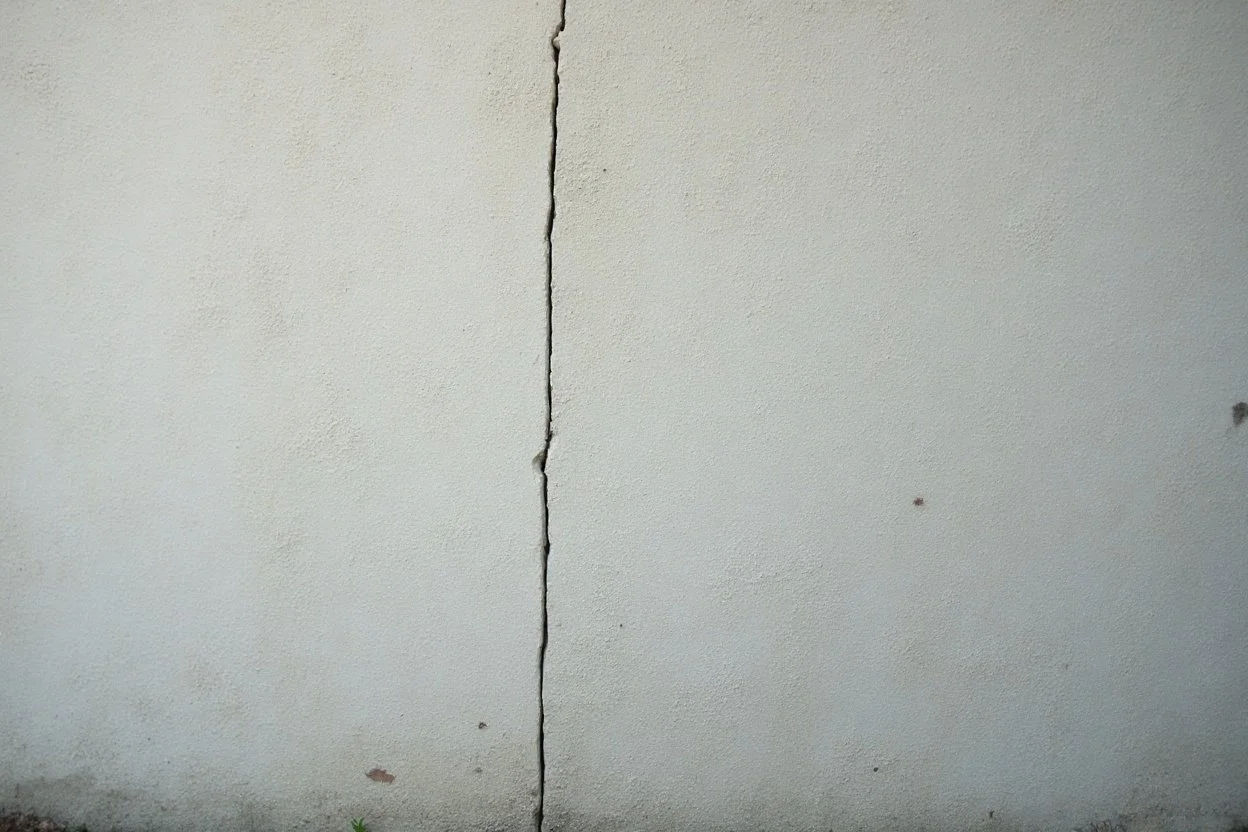
When Soil Expands and Shrinks, It Causes Movement Leading to Cracks
Foundation cracks when soil expands and shrinks under the home, causing movement that stresses concrete and walls. When the ground below a house shifts, it pushes and pulls on the foundation. Concrete is strong, but it cannot flex without cracking. As soil moves, the foundation moves with it, and cracks form to relieve that pressure.
This problem happens because soil changes size when it gets wet or dry. In many areas, clay soils absorb water and expand, then shrink as they dry out. This constant swelling and shrinking presses against foundation walls and concrete slabs. Over time, this repeated movement leads to hairline cracks and wider foundation cracks.
Movement can also lead to foundation settlement. When soil washes away or becomes too soft, parts of the foundation sink lower than others. This uneven support stresses the home’s structure and can cause foundation cracks in the basement walls. If movement is not addressed early, this type of foundation damage often requires professional foundation repairs.
When the Ground Settles Unevenly Over Time, It Leads to Cracks
Foundation cracks because the ground settles unevenly over time and no longer supports the structure. Settlement happens when the soil under one part of the home sinks more than another part. This uneven support places stress on the concrete and causes cracks to form.
Settlement often occurs after construction when loose soil slowly compacts. It can also happen when water washes away or when certain soils compress under heavy weight. As the foundation settles, cracks may appear in floors or along the foundation wall. Doors and windows may also start to stick.
This type of foundation settlement is common in both slab and basement homes. Small foundation cracks may seem harmless at first, but continued settling can lead to larger structural problems. Early foundation repairs can help restore stability and prevent more serious damage.
Concrete Naturally Shrinks as It Dries, Causing Foundation Cracks
Over time, a foundation cracks because concrete naturally shrinks as it dries and hardens. When concrete is first poured, it contains a lot of water. As that water slowly evaporates, the concrete shrinks. This shrinkage creates tension inside the slab or wall, which can cause hairline cracks.
These cracks often appear soon after construction and are common in concrete slabs and foundation walls. In many cases, hairline cracks are not a sign of severe foundation damage. However, if shrinkage cracks widen or allow water inside, they can lead to bigger problems.
Poor curing can make shrinkage worse. If concrete dries too quickly or lacks sufficient moisture during curing, it becomes weaker and more likely to crack. Proper construction methods help reduce this risk, but shrinkage cracking is still a normal part of how concrete behaves.
Tree Roots Also Cause Foundation Cracks
Foundations crack because tree roots remove moisture from the soil, making the soil shrink. Large trees and shrubs near the home pull water from the soil as they grow. When it dries out, it shrinks and pulls away from the foundation.
This loss of support creates movement under the house. As the soil shifts, the foundation follows, which can lead to cracks in concrete and foundation walls. This problem is more common in clay soils, which change in size easily with changes in moisture levels.
Tree-related movement often happens slowly, making cracks easy to miss at first. Over time, small cracks can grow larger and lead to foundation damage. Keeping trees a safe distance from the home helps protect stability and reduce the risk of cracking.
Foundations Crack Because Temperature Changes Create Stress
A foundation crack occurs because temperature changes create stress in concrete and surrounding materials. Concrete expands when it gets warm and contracts when it cools down. These repeated changes stress the foundation over time.
Seasonal temperature shifts can make small cracks grow larger. In colder weather, water inside tiny cracks can freeze and expand. This process forces the crack to widen. When temperatures rise again, the crack does not fully close, leading to gradual damage.
Homes with basements and exposed foundation walls are especially affected by temperature changes. While this type of cracking is common, sealing minor cracks early helps prevent water from entering and reduces long-term foundation movement.
Get Foundation Repairs for Your Home in North Carolina
Functional Foundations offers professional foundation crack repair in North Carolina. We help homeowners protect their homes with lasting repairs. Our team understands local soil conditions, concrete behavior, and how movement affects your structure over time.
We take the time to inspect the problem, explain what’s happening in plain language, and recommend repairs that actually make sense for your home. No pressure. No hidden costs. Just honest work done right the first time.
Call (252) 648-6476 for reliable foundation repairs you can trust.
FAQs
Is it normal for my foundation to crack?
Yes, it is normal for a foundation to crack, especially a small hairline crack. Concrete naturally shrinks as it dries, and soil under the home can shift over time. These movements often cause minor cracks that do not affect stability. However, large, widening, or stair-step cracks may signal foundation movement or damage and should be inspected.
Why do concrete foundations crack?
Concrete cracks because it cannot bend under pressure. Changes in moisture, movement, water pressure, and natural concrete slab shrinkage all stress the foundation. When that pressure becomes too great, the concrete cracks to relieve it. Poor drainage increases the likelihood of cracking.
Does homeowners’ insurance cover foundation crack repair?
Homeowners' insurance usually does not cover foundation crack repair caused by movement or everyday wear and tear. Most policies only cover damage caused by a sudden, covered event, such as a burst pipe or accidental water damage. Coverage depends on the policy, so homeowners should review their plan or contact their insurance provider to confirm.
How can foundation damage affect the structure of my home?
Foundation damage can affect your home because the foundation supports everything above it. When the base shifts or cracks, walls can tilt, floors can slope, and doors or windows may stop working correctly. Minor problems can slowly turn into major structural issues.
Why do cracks form in a concrete slab foundation?
Cracks form in a concrete slab when the soil beneath it moves, or the concrete shrinks as it dries. A concrete slab sits directly on the ground, so changes in moisture can put it under pressure. Since it cannot bend, it cracks instead.
How does soil movement cause foundation settlement?
It causes foundation settlement when the ground below a home shifts, shrinks, or washes away. This removes even support, allowing parts of the structure to sink lower than others. Over time, that uneven support leads to cracking and movement inside the home.
Are hairline cracks in the foundation wall a serious problem?
Hairline cracks in the foundation wall are usually caused by normal concrete shrinkage. Many are not serious at first. If they widen, leak water, or keep growing, they may point to movement that should be checked.
How do tree roots remove moisture from soil and cause cracks?
Tree roots remove moisture from soil as they grow and search for water. This drying causes the ground to shrink and pull away from the structure. As support changes, cracking can develop over time.
Why do foundation walls crack even without flooding?
Foundation walls can crack without flooding due to pressure from expanding soil, temperature changes, or settlement beneath the home.
Why do cracks often show up in basement walls first?
Basement walls hold back soil and water pressure from the outside. When pressure builds up, the walls absorb the pressure. Cracks appear as a way for that pressure to release, making them easier to see in basements than in other areas.
What are the common types of foundation cracks?
The most common types of foundation cracks include hairline, vertical, diagonal, and stair-step cracks. Hairlines are often minor and caused by concrete shrinkage. Vertical and diagonal cracks usually form from movement or settling.
When to worry about foundation cracks?
You should worry about foundation cracks if they are widening, are longer than a few feet, are letting in water, or appear alongside uneven floors or sticking doors. Cracks that keep growing or show signs of movement may indicate a structural issue and should be inspected.
What causes foundation to crack?
A foundation cracks when it is placed under stress it cannot handle. Common causes include movement, uneven settling, poor drainage, water pressure, temperature changes, and natural concrete shrinkage. Over time, these forces cause the concrete to crack rather than bend.