Types of Foundation Repair Techniques Explained
Types of foundation repair techniques include slabjacking with polyurethane foam, steel piers, concrete piers, push piers, helical piers, wall anchors, crack injection, and carbon fiber reinforcement. Each type is designed to fix a specific foundation problem, such as settlement, bowing walls, cracking, or uneven slabs. Some methods lift and support the structure using controlled jacking, while others stabilize walls or seal cracks to prevent further damage. The right repair depends on soil conditions, the type of foundation, and how the damage occurred.
This guide explains how each foundation repair technique works, what problems it solves, and when it is used, so homeowners can understand their options and choose the correct solution.
If you have more questions or need professional foundation crack repair in North Carolina, call Functional Foundations at (252) 648-6476.
Slabjacking Uses Polyurethane Foam to Lift a Sunken Concrete Slab
Slabjacking is a foundation repair method used to lift a sunken concrete slab and restore level support. This technique works by drilling small holes through the slab and injecting polyurethane foam beneath it. As the foam expands, it fills empty spaces, compacts loose material, and gently raises the slab back into position.
This method is commonly used for foundation problems caused by soil settlement, erosion, or voids below the concrete. Polyurethane foam is lightweight, strong, and water-resistant, which helps prevent future movement. Unlike older mudjacking methods, foam cures quickly and adds minimal weight to the ground below.
It is often used for driveways, garage floors, sidewalks, and interior slabs. This foundation repair technique does not fix structural wall damage, but it is effective for correcting uneven slabs and closing small settlement-related gaps.
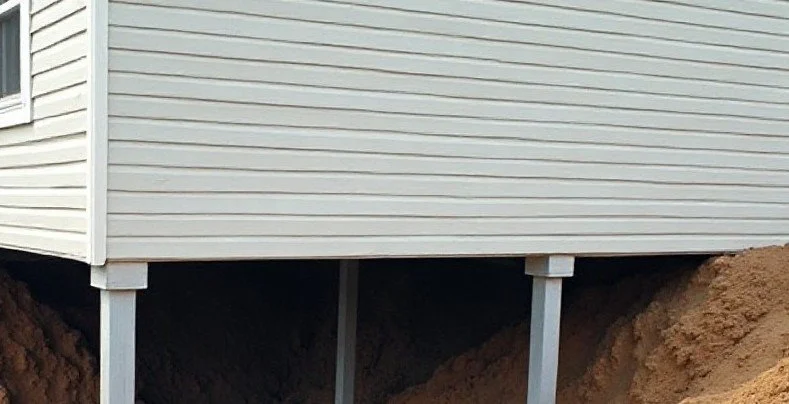
Steel Piers Transfer Weight to Stable Soil Below the Foundation
Steel piers are a foundation repair method used to stabilize and lift structures affected by settlement. This technique installs long steel sections into the ground until they reach load-bearing soil or bedrock. Hydraulic jacks then transfer the weight of the foundation onto the steel piers, reducing movement.
Steel piers are used when foundation problems are caused by weak or shifting soil near the surface. By bypassing unstable ground, this method creates permanent support. Steel resists corrosion and withstands heavy structural loads, making it suitable for large homes or commercial buildings.
These are commonly used for foundation walls that show vertical movement or separation. Steel piers can also recover some elevation, though the main goal is stabilization. This foundation repair technique works best when deep, stable layers exist below the structure.
Concrete Piers Support Foundations by Spreading Weight Over a Wider Area
Concrete piers are used when shallow soil supports an added load but needs reinforcement. This foundation repair method involves digging below the structure and pouring concrete into formed shafts. Once cured, the piers create solid support points that distribute weight more evenly.
It works well for lighter structures or older foundations built before modern soil standards. Concrete piers rely on surface-bearing capacity rather than deep anchoring. Because of this, they are effective only when soil conditions are consistent and stable.
Concrete piers are often chosen for localized settlement issues. Repairs using this method may require excavation, which increases labor time. While durable, concrete piers are less adjustable than steel systems. This foundation repair technique focuses on support rather than lift and is best for controlled settlement problems.
Push Piers Stabilize Foundations Using the Structure’s Weight
Push piers use the structure’s weight to drive steel sections into the ground. Installation begins at the footing, where brackets guide steel segments downward. Hydraulic pressure pushes each section until resistance from stable layers stops movement.
This method is effective for foundation problems caused by long-term settlement. Because they rely on structural weight, they work best on heavier buildings. Once installed, hydraulic jacks lift the foundation slightly to reduce stress.
Push piers provide immediate load transfer and long-term stability. Repairs using this method require access along the footing and proper load calculations. It does not rely on surface soil strength, which makes it suitable for areas with expansive or compressible ground near the surface.
Crack Injection Seals Openings to Stop Water and Restore Strength
Crack injection is a foundation repair method used to seal gaps in concrete walls. You inject epoxy or polyurethane material directly into the gap. The material flows through the full depth, sealing the opening from inside.
Polyurethane remains flexible after curing, which allows slight movement without reopening the crack. Epoxy restores structural strength but allows little flexibility. The correct material depends on movement history and moisture presence.
This addresses water intrusion and prevents further deterioration. It does not correct the causes of settlement or movement. Repairs using this method work best when cracking is stable. Proper surface preparation and controlled pressure are required to ensure complete penetration.
Helical Piers Support Foundations Using Screw-In Anchors
Helical piers are foundation repair techniques that support settling structures using screw-in steel anchors. This method installs steel shafts with helical plates that are rotated into the ground using hydraulic equipment. The plates pull the pier into stable soil layers, creating immediate load-bearing support.
It is used when weak surface soil causes settlement, but the structure is not heavy enough for push-based systems. Installation depth is controlled by torque readings, which confirm when stable soil is reached. Once installed, brackets connect the piers to the foundation, and controlled jacking can lift or stabilize the structure.
Helical piers are often used for lighter homes, porches, and additions. They work well in areas with consistent soil profiles. They provide precise load control and reduce disturbance around the structure during installation.
Wall Anchors Stabilize Bowing Foundation Walls
Wall anchors are foundation repair techniques used to stabilize walls that bow inward from soil pressure. This method installs steel plates inside the wall and connects them to anchors buried in stable soil outside the structure. Steel rods tie the system together and apply corrective force.
As pressure is gradually adjusted, the wall is pulled back toward its original position. This process is done slowly to prevent cracking or damage. Over time, scheduled tightening improves alignment and reduces stress on the foundation.
Wall anchors are commonly used when walls show horizontal cracking or inward movement. These foundation repair techniques address pressure issues rather than settlement. Jacking may be used during adjustment, but the goal is stabilization, not lifting. Proper spacing and soil conditions are critical for long-term success.
Carbon Fiber Straps Reinforce Cracked Foundation Walls
Carbon fiber straps are used to reinforce cracked foundation walls without excavation. This method bonds high-strength carbon fiber material directly to the wall using industrial epoxy. Once cured, the straps prevent further movement and spreading.
These repairs are used when cracking is caused by pressure, but movement has stopped or stabilized. Carbon fiber is stronger than steel in tension and does not rust. Because the material is thin, it does not reduce interior space or require wall removal.
Carbon fiber straps do not involve jacking or lifting. Instead, they hold the foundation in its current position and stop future cracking. These foundation repair techniques work best when combined with drainage improvements that reduce outside pressure.
We Use Different Foundation Repair Methods Depending on Your Problem
Every home has a different foundation problem, and the solution should match the cause. At Functional Foundations, we evaluate how movement affects your structure, including issues involving a foundation wall or uneven support. We explain which options apply to your situation and walk you through foundation repair methods compared, so you understand why a specific approach is recommended. When lifting is needed, we use controlled jacking techniques designed to restore stability without adding stress.
Get clear answers, a focused plan, and repairs chosen for your home. Contact Functional Foundations at (252) 648-6476 to schedule an evaluation today.
FAQs
What foundation problems can slabjacking fix?
Slabjacking fixes foundation problems caused by voids or settlement under a concrete slab. It lifts sunken areas and restores level support. This method does not repair wall movement or deep structural settlement.
How is jacking used to lift parts of foundations safely?
Jacking uses controlled hydraulic pressure to raise sections of your foundation during certain repairs. The process must be slow and measured to avoid stress or cracking. Proper load transfer is critical for safety and long-term stability.
When do foundations need push piers instead of other repair methods?
Foundations need push piers when settlement is caused by weak surface soil and stable layers exist deeper below. Push piers transfer weight downward using the structure’s load. This method stabilizes movement and may recover some elevation.
How does mudjacking differ from newer slab lifting techniques?
Mudjacking lifts concrete by pumping a cement-based slurry beneath the slab. The material adds weight and cures slowly. Newer foam-based methods are lighter, cure faster, and reduce added stress on weak ground.
Is crack injection a structural fix or just a sealing method?
Injection seals cracks to stop water intrusion and slow deterioration. Epoxy can restore strength in some instances, while polyurethane remains flexible. This method does not correct underlying movement or settlement.
Can slabjacking and crack injection be used together?
Yes, they are sometimes used together when settlement causes cracking. The slab is lifted first, then cracks are sealed. This sequence helps prevent reopening after repairs.
Which repairs are best for stopping water after cracks appear?
Repairs that stop water usually involve sealing methods like crack injection. These repairs block moisture paths but do not correct movement. Structural repairs are needed if cracking continues.