15 Early Signs of Foundation Failure in Houses (Plus Remedies and Prevention Tips)
Early signs of foundation failure are diagonal cracks in basement walls, stair-step cracks in brick or masonry, shifting porches, water collecting in low spots, and bowing walls. These and other signs can appear in the exterior or interior of the house.
In this guide, we discuss 15 early signs of foundation problems. We also explore which signs may not actually mean foundation issues, and what to do when you notice them. Keep reading to learn how to prevent further foundation problems.
If you notice any signs of foundation issues in North Carolina, call Functional Foundations at (252) 648-6476 for a free consultation.
15 Early Warning Signs of Foundation Problems
Early warning signs of foundation problems include diagonal cracks in walls, doors that won’t fully close, a house that’s not even, among others. They show up everywhere inside, outside, and around a home. Therefore, it’s easier to think of these signs in terms of where they appear.
Here are the 15 early signs that point to foundational issues, grouped by where they appear:
Exterior Signs
The exterior signs of foundation problems are visible on the outside walls. They are:
1. Cracks in exterior walls
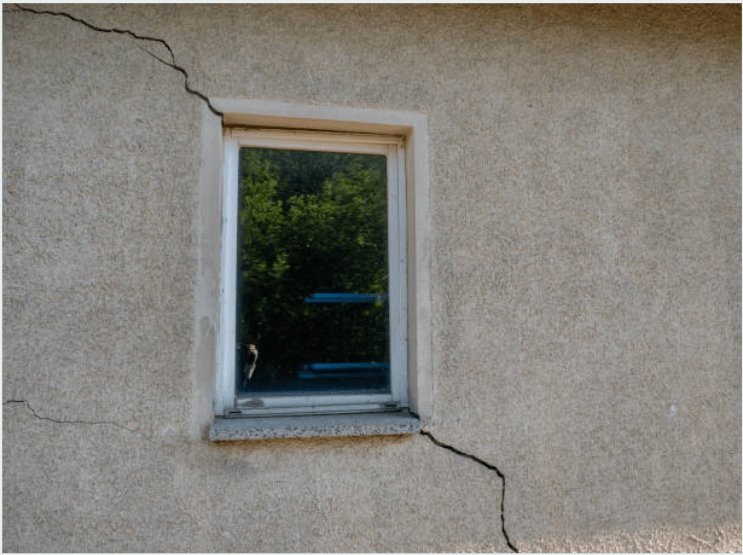
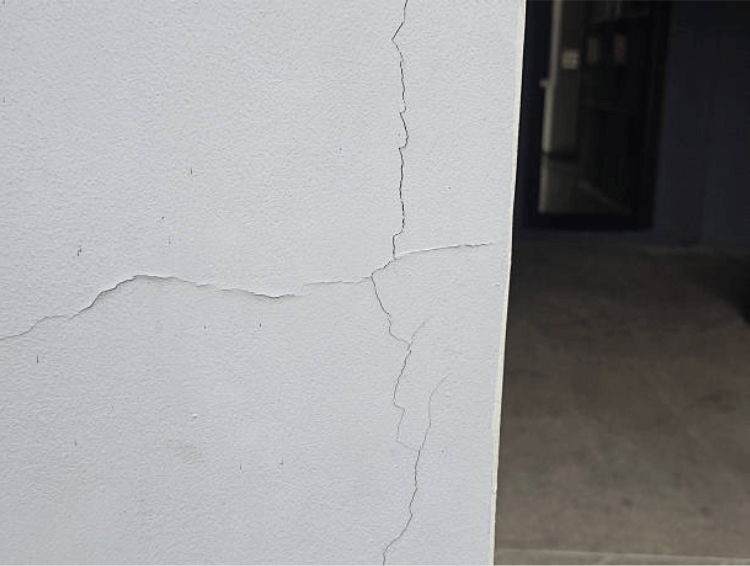
Horizontal cracks or diagonal zig-zag cracks in exterior walls are clear early warning signs of foundation failure. They point to parts of the house sinking into shifting foundations caused by unstable soil conditions. Below is an image showing a diagonal crack in an exterior wall.
2. Stair-step cracks in brick
Stair-step cracks follow mortar joints and are one of the most evident signs of foundation settlement. They also indicate a shifting foundation.
3. Exterior wall cracks that grow over time
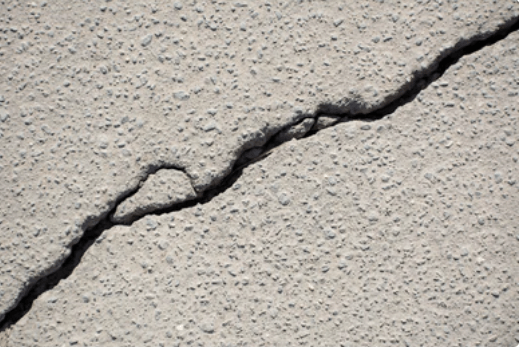
Expanding cracks in stucco, siding, or concrete panels often indicate ongoing foundation movement. Below is an image showing an expanding crack.
4. Chimney leaning or pulling away from the house.
When foundations shift, the chimneys may settle independently due to their weight. You may notice your chimney leaning slightly away from the house, and if you look closely enough, you may notice chimney cracks, too.
5. Bowing basement walls
Basement walls that bow or lean inward or outward often indicate increasing soil pressure and structural stress on the foundation. The foundation is beginning to fail to handle the lateral pressure.
6. Gaps between the foundation and exterior framing
A visible separation where the house walls meet the foundation is a clear indicator of foundation movement. You may even notice porches pulling away from the house.
Interior Signs
You will notice interior signs of foundation failure, such as cracks in the walls and floors of your home. These are interior foundation failure examples:
1.Diagonal cracks in interior walls
Zig-zag or stair-step cracks in interior walls also indicate structural movement. This means the foundation is shifting unevenly, with some parts moving faster than others, thereby causing widening diagonal cracks.
2. Cracks in concrete or slab floor cracks
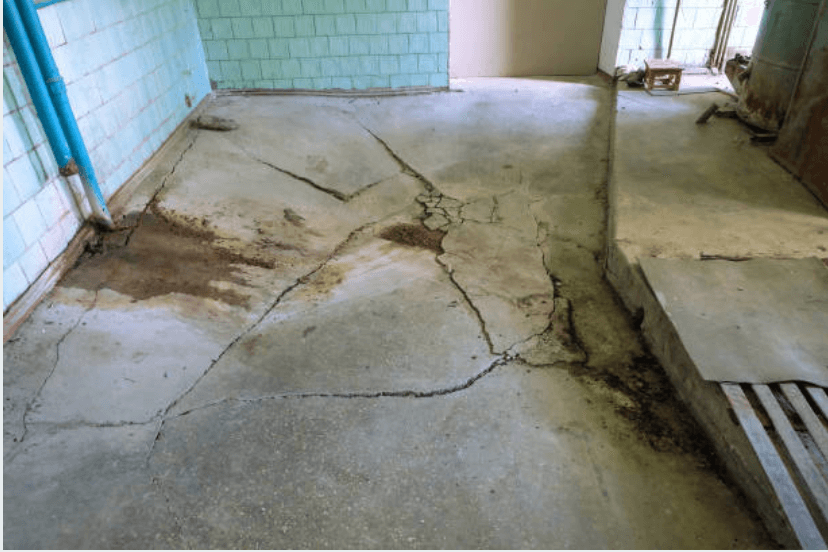
Growing and vertically uneven cracks in your concrete floors may signal uneven foundation settlement. Also, this settlement is caused by an unevenly shifting foundation.
3. Doors that won’t latch properly
When multiple doors are affected or door latching problems worsen over time, it often points to frame distortion caused by foundation movement.
4. Windows that are hard to open or close
Window misalignment also suggests the foundation is shifting. The fact that it never gets better means there is a permanent movement, not just seasonal expansion.
5. Uneven, sloping, or sagging floors
Floors that slope, dip, or feel uneven underfoot may indicate foundation or support issues. They are even stronger signs if the sagging worsens over time.
6. Gaps between walls and floors
When you notice a visible separation where walls should meet floors, it may mean that the structure is moving independently of the foundation.
7. Separation between built-ins and walls
When built-in features like kitchen counters or cabinets pull away from the walls, they are reliable indicators of foundation movement.
Other Warning Signs
You may notice these other signs that point to problems with the foundation around your property:
Visible tilting or sinking roofline
A visibly tilting roofline can indicate a sinking or shifting foundation. The entire house may appear to be off-level or unbalanced.
Drainage problems
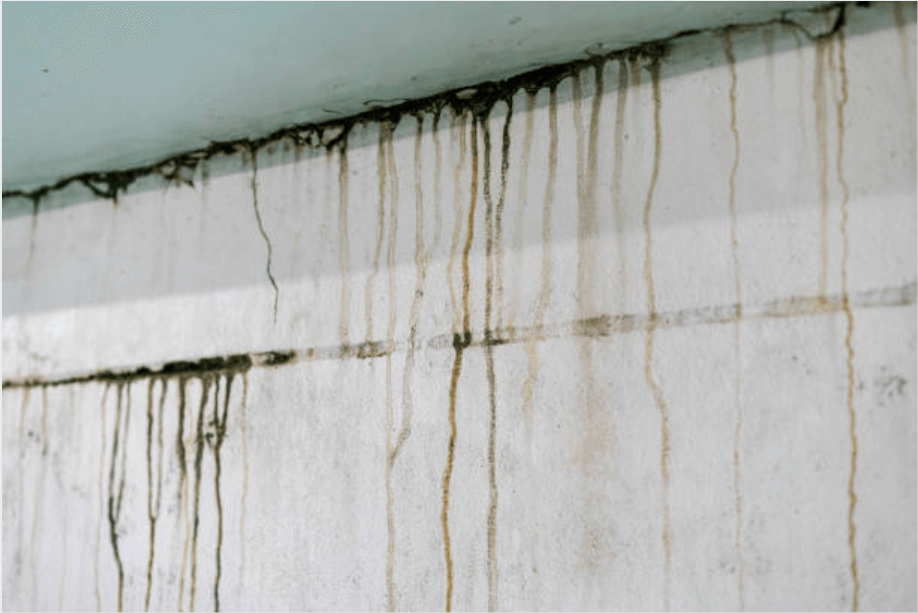
Foundations are designed to stop water from seeping into the basement, crawlspace, and around the house. You may notice frequent standing water around the house perimeter, or moisture intrusions in basements and crawl spaces.
What Does NOT Mean Foundation Failure?
When you see hairline cracks or ceiling cracks, those do not necessarily mean there are problems with your foundation. These are the signs that don’t point to foundation problems, but may point to other issues with the building:
1. Nail pops
By themselves, nail pops are not an indication of foundation problems. As long as you don’t see any other telltale signs, nail pops often mean issues of artistry or low-quality construction materials.
2. Vertical or hairline cracks
Hairline cracks are common in concrete structures and don’t mean problems with the foundation. Vertical cracks are also settling signs that don’t point to a problem. As long as the hairline or vertical cracks don’t get worse, your foundation is good.
3. Ceiling cracks or gaps
Ceiling cracks, whether small or large, don’t point to a problem with the foundation. They may point to roof leaks, aging, or extreme temperature changes.
What to do when you Suspect Foundation Problems? Remedies
If you suspect foundation problems, the first thing is not to ignore the signs. Next, document what you see and call our foundation contractor (252) 648-6476 for a free consultation. The following are possible remedies to foundation problems.
Improve Home Drainage
If you notice water collecting around or inside your house, address it immediately. Improve drainage, redirect downspouts away from the foundation, and address any standing water or plumbing leaks. Excess moisture is one of the most common triggers of foundation movement and can quickly worsen damage.
Fix Bowing Walls
Call a licensed professional to fix the bowing walls caused by the load on the foundation walls. Depending on the severity of the damage, they may attach carbon fiber straps or wall anchors to the foundation walls to prevent them from bowing and gradually straighten them.
Have a Professional Recommend a Solution
If you go at it yourself, you may be tempted to carry out quick cosmetic fixes such as patching cracks, without addressing the underlying causes. Get a professional to inspect your foundation.
Can You Prevent Foundation Problems?
Yes, you can prevent foundation problems by maintaining proper drainage around the home, using high-quality construction materials, and regularly inspecting your home. Below are more ways to prevent foundation problems:
Proper Drainage
Ensure water constantly drains away from your home. Make sure your gutters and downspouts are always clean and direct water at least 6 feet away from your foundation. The most common cause of a shifting foundation is hydrostatic pressure, which occurs when water expands the soil, causing it to move.
Fix Plumbing Issues Early
When you notice a slab leak or burst pipe, call a professional plumber immediately. This can stop water from leaking into your foundation and gradually causing a shift. Sometimes, plumbing leaks are hidden. So, look out for sudden increases in water bills or water stains on walls and floors.
ManageTrees Around Your Home
Keep large trees a safe distance away from the foundation walls. Large tree roots can absorb a lot of moisture from the ground, causing the soil to dry out too fast. They may also have intrusions that break up the soil surrounding the foundation, causing shifts.
Inspect the Foundation Often
Have a professional regularly inspect your home for foundational issues. Sometimes, only a professional can catch the first signs of foundation issues and save you thousands of dollars in repairs down the line. You can also set up regular intervals to walk around your home and look for early signs of a shifting foundation.
Call Us for Professional Foundation Repair in North Carolina
Schedule a foundation assessment with Functional Foundations to determine the cause of wall cracks or shifting floors.
Our licensed and experienced professionals are always available to thoroughly inspect the interior of basement walls and crawl spaces, as well as exterior areas, to determine whether your house has a foundation problem. We offer professional foundation wall repair in North Carolina.
Call us today at (252) 648-6476 for a free consultation and a free estimate.
FAQs
What causes foundation problems?
The main cause of foundation problems is hydrostatic pressure. It occurs when water seeps in and out of the foundation soil, causing it to expand and shift, and put pressure on the foundation. Foundations can also be weakened by expanding soil and tree root intrusions.
Can foundation issues be fixed?
Yes, depending on the severity of the problem, foundation issues can be fixed. Some are so minimal that they require simple crack fills, others are so severe that beams have to be installed. Contact a foundation specialist to recommend possible solutions.
How long does it take for a foundation to fail?
Rapid water intrusions cause visible cracks and leaning walls within weeks, while shifting soil can take months to years to cause a foundation to fail.
What is the lifespan of a foundation?
The lifespan of a house foundation is 100 years. However, factors such as root intrusions and shifting soil can significantly shorten that lifespan.
When to walk away from foundation issues?
Walk away from foundation issues if the problems become so severe that the repair cost is a significant portion of the home value. You can also get the opinion of a foundation expert about whether to walk away.