Best Foundation Repair Methods for Clay Soil
The best foundation repair methods for clay soil are steel push piers, helical piers, drilled concrete piers, slab jacking (mudjacking or polyurethane foam injection), drainage corrections, root barriers, and soil moisture management systems. These solutions stabilize the foundation by transferring loads to stable strata or by reducing moisture changes that cause soil movement.
A professional inspection can determine the right clay foundation repair method based on soil conditions, structural load, and the extent of foundation damage.
In this guide, learn how to stabilize a foundation on clay soil, recognize the warning signs of damage, understand cost factors, and take preventive steps.
If you notice cracks in walls or signs of a sinking foundation, call Functional Foundations at (252) 648-6476 for an inspection in North Carolina.
6 Best Foundation Repair Methods for Clay Soil
We recommend the most effective repair methods to ensure long-term stability and address the root cause of clay-related foundation issues.
These include:
1. Steel Piers (Push Piers)
Steel piers are among the most reliable solutions for severe foundation problems.
Contractors drive each steel pier deep into the ground until it reaches stable load-bearing strata, then attach brackets to transfer the foundation's weight to the piers. Because they extend below active soils, steel piers bypass soil movement caused by expansion and shrinkage. This prevents seasonal changes from affecting the supported foundation.
Ideal Applications
● Severe settlement
● Heavy structures
● Deep clay soils
Pros
● Provides long-term stabilization
● Can lift a sinking foundation toward its original position
● Suitable for high-load foundations
● Minimal ongoing maintenance once installed
Limitations
● Requires excavation along the foundation perimeter
● Higher cost than minor surface repairs
● Installation may be limited by access constraints
2. Helical Piers
Helical piers use a rotating steel shaft with helical plates to anchor into firm soils.
Contractors install each pier with a hydraulic motor that screws it into the ground until it reaches stable strata. Torque readings confirm load capacity before the foundation weight is transferred to the pier system.
Unlike push piers, helical piers are mechanically advanced into the soil and do not rely on the structure’s weight for installation.
Best Situations for Use
● Homes with moderate weight loads
● Early-stage settlement
● Areas with predictable soil depth
Pros
● Can be installed in limited-access areas
● Suitable for new construction and existing structures
● Immediate load-bearing capacity after installation
● Controlled installation depth based on torque readings
Limitations
● May not be ideal for very heavy structures
● Performance depends on an accurate soil assessment
● Installation depth can be limited in extremely dense soils
3. Drilled Concrete Piers
Drilled concrete piers create deep structural columns beneath foundations to provide long-term stability.
Contractors drill through unstable soils until reaching competent strata, then place reinforced concrete into the shaft. Once cured, the concrete forms a solid column that transfers the foundation load to stable ground below active clay layers.
When They Are Recommended
● Very deep clay soils
● High load requirements
● Commercial structures
● Sites with significant settlement
Pros
● High load-bearing capacity
● Custom depth based on soil conditions
● Strong resistance to compression and lateral pressure
● Long service life when properly installed
Limitations
● More invasive installation process
● Requires heavy drilling equipment
● Longer installation time compared to steel pier systems
4. Slab Jacking (Mudjacking or Polyurethane Foam Injection)
Slab jacking lifts settled slabs by injecting material beneath the slab surface to restore elevation.
Contractors drill small holes through the slab and pump grout or expanding polyurethane foam underneath. The injected material fills voids, compacts loose soils, and returns the concrete to its original position.
When It’s Appropriate
● Minor settlement
● Garage slabs
● Walkways and patios
● Isolated slab sections without deep structural movement
Pros
● Less invasive than installing piers
● Faster installation time
● Lower cost for minor repairs
● Minimal disruption to surrounding areas
Limitations
● Does not address deep soil movement
● Not suitable for severe foundation problems
● Slabs may settle again if clay soils continue to shift
5. Drainage Corrections
Drainage corrections reduce moisture fluctuations around the foundation, thereby limiting soil movement in expansive clay soils.
Water that collects near foundations increases pressure against basement walls and slabs, leading to cracks and damage. Proper drainage directs surface and groundwater away from the structure, maintaining more stable soil conditions.
Common Drainage Solutions
● French drains to redirect groundwater away from foundations
● Surface grading to slope soil away from the slab or basement
● Gutter and downspout extensions to discharge water several feet from the home
Pros
● Reduces hydrostatic pressure on basement walls
● Helps prevent future foundation problems
● Protects slabs and crawl space areas from excess moisture
● Supports the long-term performance of other repair methods
Limitations
● Does not lift or stabilize a sinking foundation by itself
● May require ongoing maintenance of drains and gutters
● Effectiveness depends on proper installation and site conditions
6. Root Barriers and Soil Moisture Management
Root barriers and soil moisture management systems help control soil movement around the foundation by maintaining consistent moisture levels.
Tree roots draw water out of clay soils, which can cause shrinkage and uneven support. That imbalance often contributes to foundation issues, cracks, and slab movement.
Common Solutions
● Installing root barriers to limit moisture loss near the foundation
● Maintaining consistent watering during dry seasons
● Using watering systems, such as soaker hoses
Pros
● Reduces shrink–swell cycles in expansive soils
● Helps prevent new cracks from forming
● Supports other foundation repair methods
● Protects slabs and basement walls from uneven drying
Limitations
● Does not correct existing structural settlement
● Requires regular monitoring of soil moisture
● Effectiveness depends on proper placement and maintenance
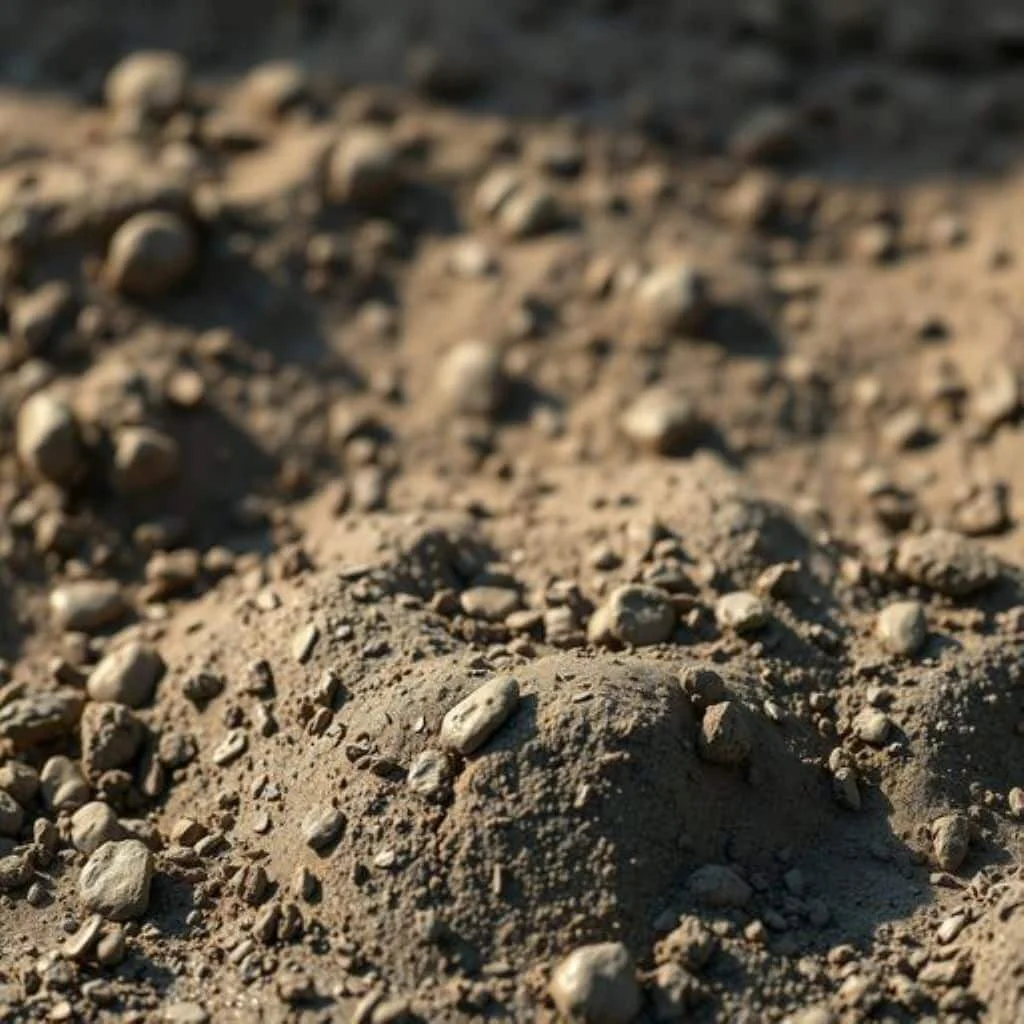
How to Choose the Right Foundation Repair Method?
Selecting the proper foundation repair method depends on soil depth, structural weight, and the extent of foundation damage.
You can choose the right repair method by checking the following:
● Depth and type of clay soil beneath your foundation
● Severity of settlement or structural movement
● Weight and design of the structure
● Location of damage (slab, crawl space, or basement)
● Presence of drainage or moisture problems
● Tree roots or soil shrinkage or swelling activity near the foundation
● Accessibility around the home for equipment and excavation
● Long-term stability goals versus short-term repairs
● Budget and project timeline considerations
If you are unsure which solution fits your home, Functional Foundations can help. Call (252) 648-6476 to schedule a professional inspection anywhere in North Carolina.
Signs Of Foundation Issues in Clay Soil
Clay soil movement often shows warning signs inside and outside the home.
This includes:
● Stair-step cracks in brick
● Interior wall cracks
● Doors and windows that stick
● Uneven floors
● Gaps between exterior trim and slab
A widening crack or repeated crack repairs may signal deeper foundation problems.
Cost of Fixing Foundation Damage in Clay Soil
The cost of foundation repair varies based on several factors, including:
● Severity of foundation damage
● Type of repair method
● Accessibility to the damaged area
● Geographical conditions
● Requirement of stamped plans and inspections
An on-site evaluation provides accurate pricing for foundation repair.
Tips for Preventing Future Foundation Problems in Clay Soil
Clay soil expands when wet and shrinks when dry, so consistent moisture control is necessary for protecting your foundation.
You can reduce the risk of future foundation problems by following these steps:
● Maintain proper grading so water drains away from the foundation
● Keep gutters clean and extend downspouts several feet from the home
● Repair plumbing leaks promptly to prevent excess soil saturation
● Water the soil evenly during extended dry periods to limit shrinkage
● Install root barriers if large trees are located near the structure
● Monitor and seal small cracks before they widen
● Schedule periodic foundation inspections to catch early movement
When to Call a Foundation Repair Specialist
You should call a foundation repair specialist when cracks, settlement, or structural movement continue to worsen over time.
Watch for these warning signs:
● Stair-step cracks in brick or block walls
● Interior drywall cracks that widen or reappear
● Doors and windows that stick or will not close properly
● Uneven or sloping floors
● Gaps between walls, ceilings, or exterior trim
● Cracks in the foundation that grow longer or wider
● Water intrusion in a crawl space or basement
If you notice any of these issues, Functional Foundations can inspect your home and recommend the right solution.
Schedule a Foundation Inspection and Protect Your Home Today
Clay soil can cause serious foundation damage, but the right repair method can restore stability and prevent further movement.
If you have noticed cracks, sticking doors, or uneven floors, do not wait for the problem to worsen. Functional Foundations provides professional inspections and clear repair recommendations across North Carolina.
Call (252) 648-6476 to schedule your foundation inspection and get a plan that protects your home for the long term.
FAQs
What is the minimum depth of a building foundation on clay soil?
The minimum depth depends on local codes and soil conditions, but foundations are typically placed below the active clay layer to reduce movement. A soil test determines the required depth for stability.
How do different soils affect foundations?
Different soils expand, shrink, or settle at varying rates, which directly impacts foundations, learn more about how soil types affect foundation stability in your area. . Clay soils are more prone to movement, while sandy soils drain faster and tend to shift less.
Are cracks in foundations always a serious problem?
Not all cracks indicate major structural failure, but widening or recurring cracks may indicate foundation movement. A professional inspection can determine whether repairs are necessary.
Can clay soil cause basement problems?
Expansive clay soils can create pressure against basement walls, leading to cracks, leaks, and uneven floors.